Mumbai rains bring chai cravings, umbrella wars, and the familiar splash of potholes. But do you know what else they bring? Trouble with your brakes.
If your car’s brakes feel weirdly soft or take longer to stop during the monsoon, it’s not your imagination - it’s physics, moisture, and Mumbai’s famous road slush working together.
Your vehicle braking performance is affected when the roads are wet, are waterlogged, or when the humidity in the environment is high, which increases the probability of accidents. At MyFNG, we want our customers to be educated and make better choices. At MyFNG, we also believe in educating our friends and the community about “how to drive safer and better”.
This blog will discuss the effects of monsoons on your braking system, the indicators of potential brake issues, and the preventive strategies you can adopt to ensure your brakes perform well during the rainy season.
Table of Contents
Why Braking Performance Declines During Monsoons
We all know that brakes are a safety feature (probably the most important safety feature on your vehicle). Unfortunately, in the monsoon, many environmental factors can affect brake performance as follows:
✅Moisture in your brake components: Rainwater or humidity can provide moisture to your brake rotor and/or brake pad, and therefore reduce friction or the response of the brakes. If you notice any squeaking or if the brake pedal feels sluggish, then there could be moisture in your brakes.
✅Tyre-brake coordination: Slippery wet surfaces can certainly lead to even 'good' brakes to fail. The tread grip of the tyres on a wet surface is decreased and the efficiency of the brakes with the road could also change.
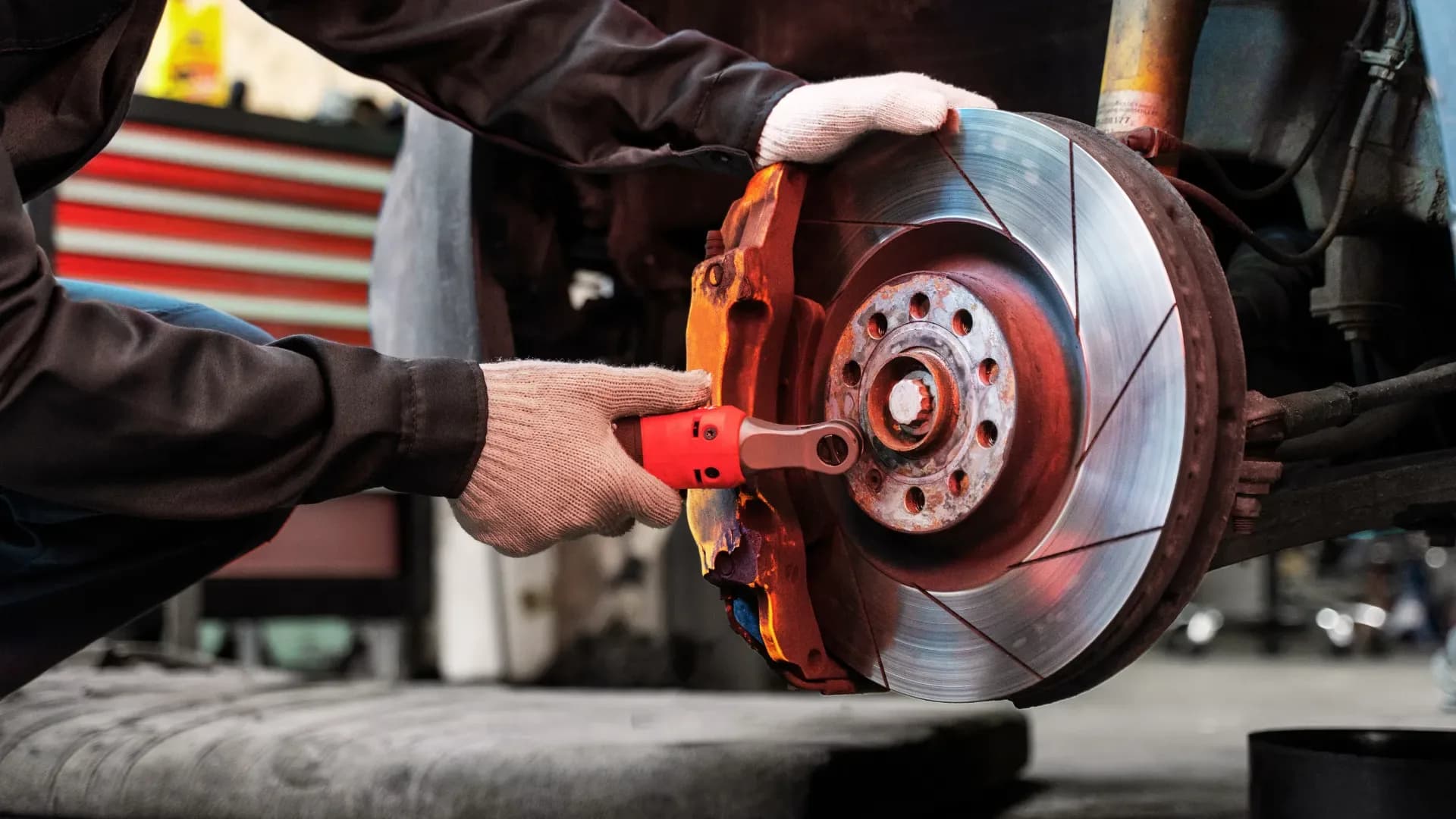
✅Rust formation: The monsoon causes additional rust to form on brake discs and drums. Rust will also lead to an uneven surface which causes the brakes to oscillate, make noise, and the quality of braking power will decrease.
✅Contamination of brake fluid: Moisture could seep into the brake fluid reservoir, this occurs with what is called "brake fade", which means that your brake pedal does not feel responsive and your vehicle takes longer to stop.
7 signs your brakes require attention this monsoon
It is important to have regular car brake servicing, especially at the time of and before the monsoon. It is also important that you recognise these caution signs:
- Do note when your brakes make a screeching or squealing sound when being applied
- A grinding noise also indicates that your brake pads may be worn out
- When the brake pedal feels slow or spongy and doesn't respond right away, get to the nearest MYFNG service centre soon
- It could be dangerous when the vehicle pulls to one side under braking
Lastly, when you start to notice a burning smell, visit MYFNG!
Comments