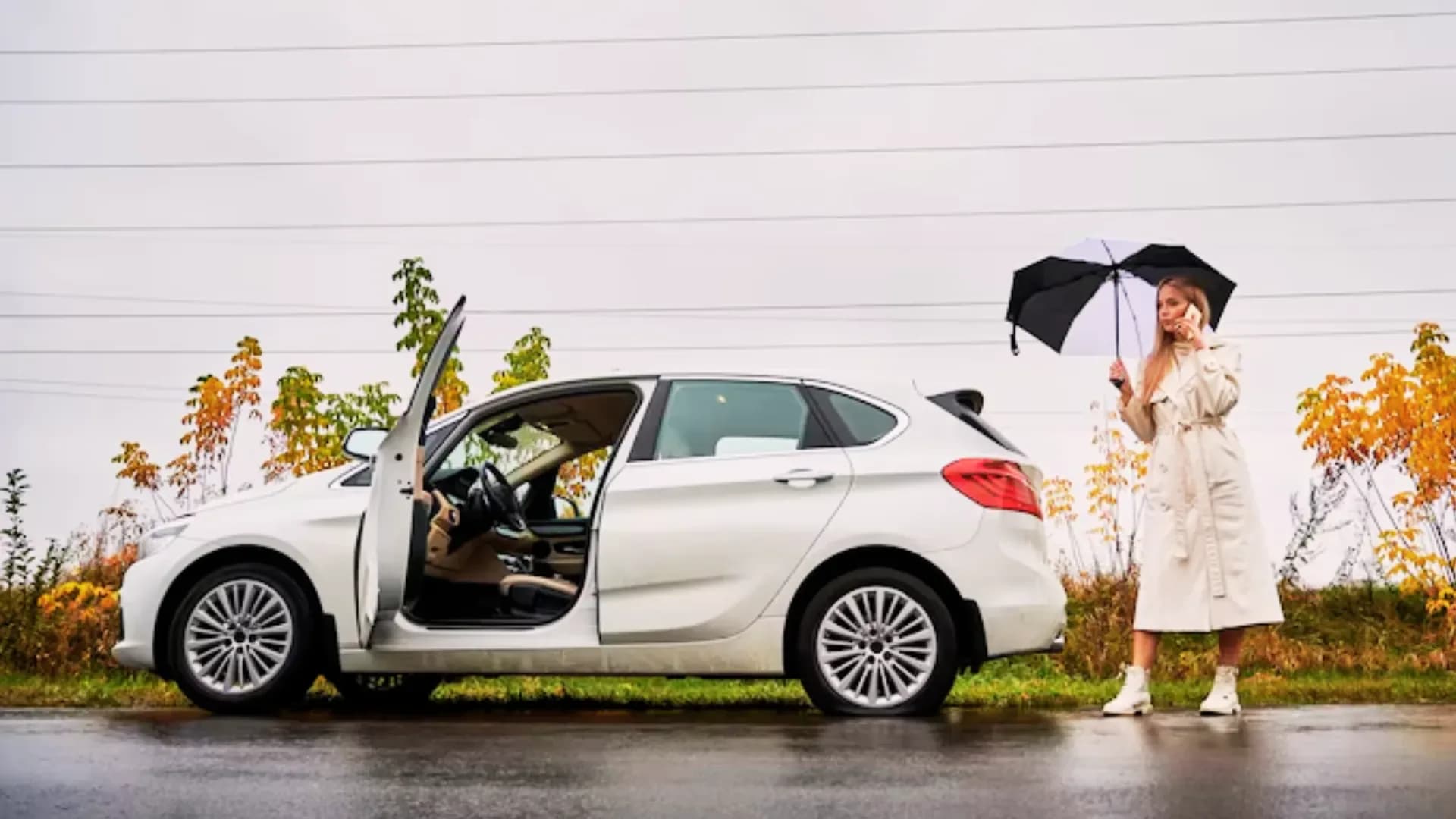
“A survey conducted by ICICI Lombard across major Indian cities revealed that 72% of respondents admitted to driving through waterlogged areas during the monsoon season. In Mumbai, 41% of motorists reported driving through logged areas, with 22% facing major issues as a result.” – Autocar India
When the skies turn grey and rain starts pouring, you’re not just battling potholes, traffic, and foggy windshields: your car battery is silently fighting for survival too.
Monsoon is one of the harshest seasons for car batteries, with countless drivers stranded due to unexpected battery failures.
Here at our blog, we're going to delve into why the monsoon season is well-known for causing battery problems, how you can avoid car battery failure, and how MyFNG car repair services in Mumbai can assist you in remaining road-ready throughout the season.
Table of Contents
Why Car Batteries Fail More During Monsoons?
The reason is a combination of moisture, temperature changes, and some overlooked maintenance. Here's how:
1. High Humidity = Internal Corrosion
During monsoons, the humidity is extremely high. Moisture seeps into battery terminals, resulting in corrosion that disrupts the flow of electricity. Eventually, this degrades battery efficiency and may cause it to fail.
2. Frequent Short Trips
Rain tends to push individuals to make more frequent, shorter trips — such as taking the kids to school or evading a rain shower. The short journeys don't give the battery time to recharge, and hence a gradual but relentless depletion occurs.
3. Excessive Use of Electrical Systems
Headlights, wipers, fog lamps, AC, defoggers - all go on overdrive in the monsoons, consuming more power from the battery than normal. If your battery is even marginally weak, this excess load can make your battery quit.
4. Cold Starts and Idle Time
Monsoon mornings are often cold and damp. Batteries struggle to provide the necessary power for ignition in these conditions. Combine that with long idle times in traffic jams, and you’ve got the perfect storm for battery failure.
5. Water-Logging and Leakages
Flooded roads can sometimes mean water entering the engine bay. If water reaches the battery housing or fuse box, it can cause short circuits or permanent battery damage.
Common Red Flags of a Failing Battery in Monsoon
Watch out for these red flags, which are key to monsoon car battery failure:
- The engine cranks more slowly
- Flickering dashboard lights and dim headlights
- The battery warning light is on constantly
- Wipers or power windows are operating slower than normal
- Sulfur or rotten egg scent near the hood (an indicator of leakage in the battery)
Comments